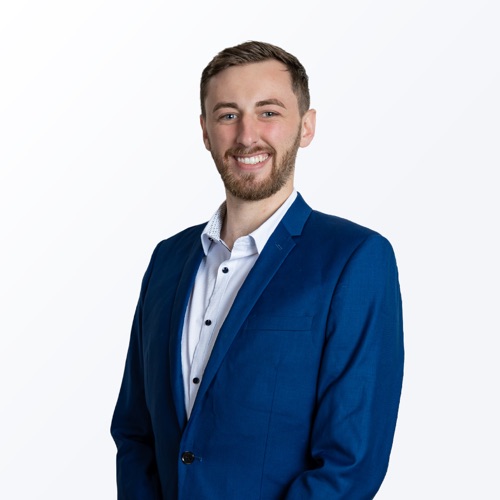
Ben Murat
Lending SpecialistQLD
Book a call
From fellowship to partnership buy-in: equipment, premises and home lending structured for how ophthalmology really works.
5.0 · 156+ reviews 45+ lenders 2,000+ medicos helped
Ophthalmologists in Australia can finance every step of the career arc: training and fellowship, contracting in private practice, the partnership buy-in that is usually the first step into ownership, and eventually multi-site practice. MedX Finance arranges home lending at up to 95% LVR with no LMI, equipment and fitout finance, and owner-occupied premises lending at up to 100% of the purchase price or valuation, across 45+ lenders and at no cost to you. Ophthalmology is equipment-heavy, structurally layered and buy-in driven, and the lending should be built the same way.
The typical arc runs training, then fellowship, then contracting into private practice, with a buy-in as the most common first step into ownership and partnership after that. Multi-site group practices are the norm: a group of partners across multiple sites, with a wider roster of ophthalmologists consulting sessionally, often across sub-specialties such as retina and glaucoma. The usual structure sees each ophthalmologist generate fees in their own name and pay a service fee to a practice entity that rents the rooms and employs the staff. That layering is normal, but it has to be presented properly: lenders who know the profession read the service-fee model as the strong, standard arrangement it is, and the lending is structured to match, from personal borrowing to the practice entity itself.
Equipment is the cost driver in ophthalmology. Surgical lasers are seven-figure purchases, OCT machines run to high five figures, and most of it depreciates over roughly 5 to 7 years with regular upgrade cycles, so a practice is never really finished buying. Fitouts are a substantial investment in their own right, partly because patient flow shapes the floor plan: patients move from reception to orthoptist-run imaging and screening rooms before they ever reach a consulting room, and the fitout has to be designed around that flow. The answer is finance matched to the asset: equipment lending structured to useful life and upgrade timing rather than a single loan that outlives the machine, and fitout finance sized to the build the patient flow demands.
There is little goodwill in specialist medicine, because referrals follow the doctor rather than the brand on the door. Buy-ins therefore tend to be priced on partnership equity, premises and equipment rather than goodwill. That changes what lenders are securing against, and it rewards preparation. That can mean buying into a practice that has not yet opened its doors, with specialist lenders assessing the strength of the profession and the people behind it rather than a trading history, or a younger specialist purchasing the premises and equipment of a retiring ophthalmologist with no goodwill component in the price. Both are normal ophthalmology transactions; they just need a lender, and a specialist, who has seen them before.
Home. Up to 95% LVR with no LMI on home lending for eligible medical professionals.
Car. Personal or practice vehicles, structured to suit.
Commercial premises. Owner-occupied practice premises at up to 100% of the purchase price or valuation.
Fitout. Designed and financed around the real patient flow: reception, orthoptist imaging and screening, then consulting.
Equipment. Lasers, OCT and imaging, structured to asset life and upgrade cycles.
Eligibility, rates and terms depend on your circumstances and lender criteria. Not financial advice.
Plenty of our clients talk to us long before a loan exists: weighing a practice purchase, planning a fitout, or working out what their career unlocks. That early thinking costs nothing and is some of the most valuable work we do. And when you are ready to move, it runs like this:
1. Today: talk to a specialist. A short call on your situation and goals. No credit check, no cost.
2. Within 48 hours: your lending strategy. Which lenders fit your stage and structure, what you can borrow, what it costs.
3. Application to approval. We package, submit and chase. Timing depends on the lender and the deal, and you will always know where things stand.
4. Approval to settlement. We coordinate through to completion, and stay your specialist for the loans that come after.
Exceptional Healthcare Financing Expertise I recently worked with Richard Curia to secure financing for my new medical office, and the experience was outstanding. Richard’s specialised knowledge of healthcare financing and his understanding of medical practitioners’ unique needs made the entire process seamless. What impressed me most was his professional approach combined with genuine care for his clients. He provided tailored solutions that perfectly matched my requirements, and his communication was excellent throughout - keeping me informed and answering questions with patience and clarity. Richard made what could have been a complex process feel manageable and straightforward. His expertise in the medical field is remarkable, and he’s simply a great person to work with. I highly recommend Richard to any healthcare professional seeking financial services. Five stars without hesitation!
via Google
Lending SpecialistQLD
Book a call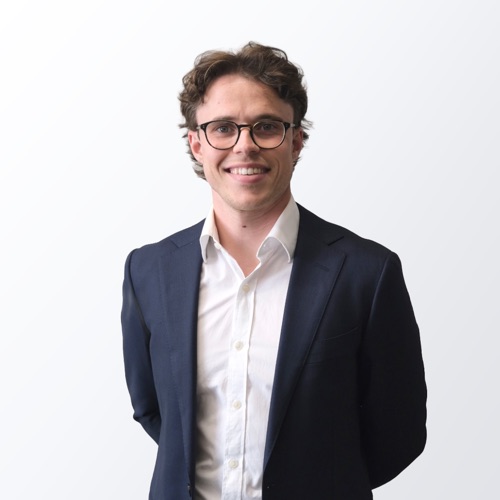
Lending SpecialistVIC
Book a call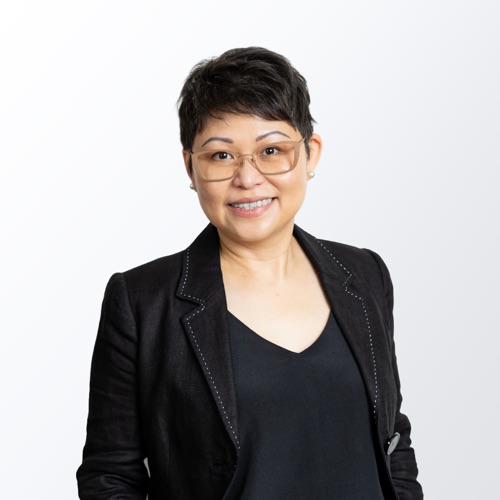
Lending SpecialistNSW
Book a call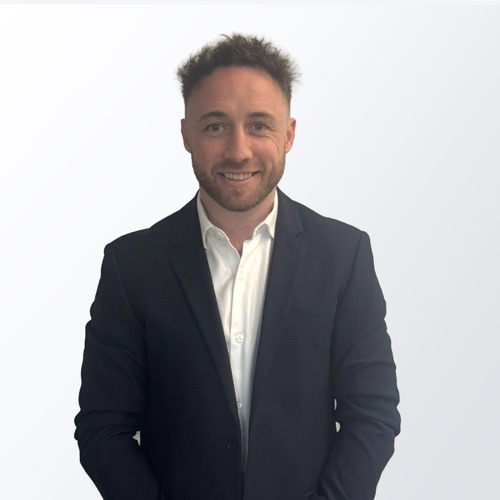
Senior PartnerNSW
Book a call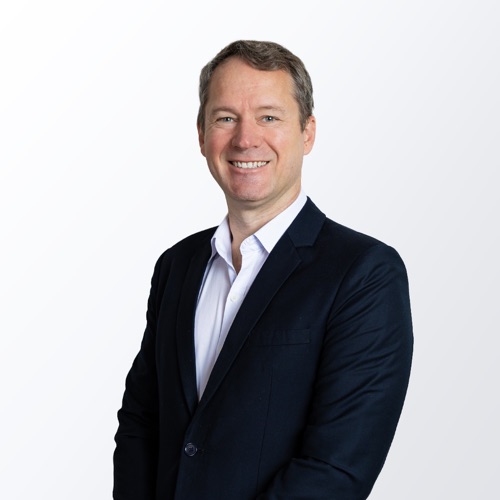
Senior PartnerQLD
Book a call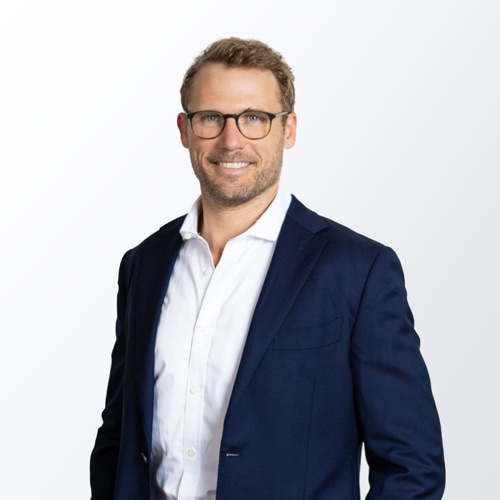
Senior PartnerNSW
Book a call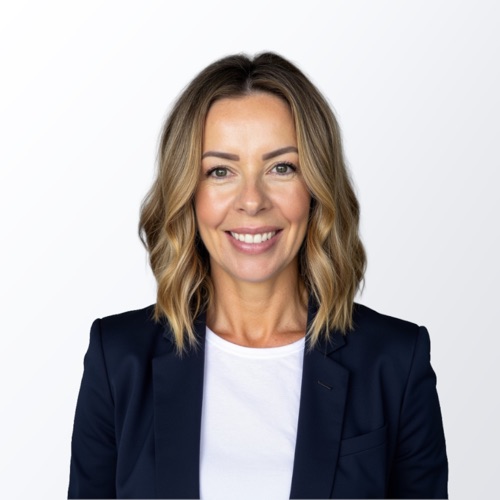
Senior PartnerQLD
Book a call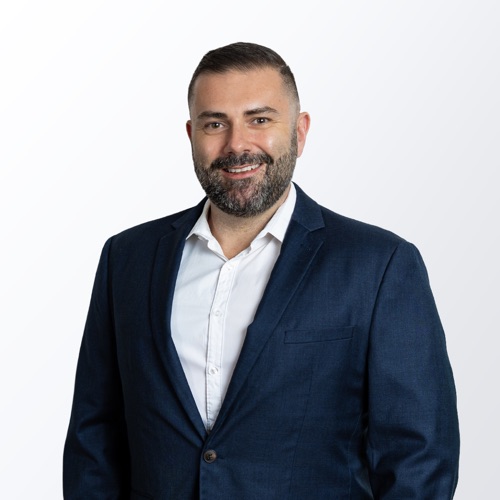
Senior PartnerNSW
Book a call
Senior PartnerVIC
Book a call
Senior PartnerQLD
Book a call
Senior PartnerNSW
Book a call
Senior PartnerNSW
Book a call
Senior PartnerWA, SA
Book a call
Senior PartnerQLD
Book a call
Senior PartnerNSW
Book a call
Senior PartnerVIC
Book a call
PartnerNSW
Book a call
PartnerNSW
Book a call
PartnerNSW
Book a call
PartnerNSW
Book a call
PartnerNSW
Book a callUsually very little. Referrals follow the doctor, so buy-ins tend to be priced on partnership equity, premises and equipment rather than goodwill. That is not a weakness; it simply changes what the lending is secured against, and it makes preparation and lender choice the difference between an easy buy-in and a hard one.
It can be done. Specialist medico lenders can back a buy-in before the doors open, assessing the strength of the profession and the specialists behind it rather than a trading history. Structure and lender choice do the heavy lifting; talk to us before you commit to timing.
Yes, and it should be. Ophthalmology fitouts work best when they are planned around the way patients actually move: reception, then orthoptist-run imaging and screening rooms, then consulting. Specialist fitout planning builds that flow in from the start, and we finance the fitout around the design rather than forcing the design around the loan.
As the standard ophthalmology arrangement it is, provided it is presented properly. Lenders who know the profession look through the structure to the strength of the income underneath. Presented poorly, the same numbers can read as complexity, which is exactly what a specialist is there to prevent.
No. We are paid by the lender when your loan settles, and we are transparent about those arrangements. No cost, no obligation, ever.
A short call with a specialist. Your strategy within 48 hours. No cost, no credit check, no obligation.
We'll contact you within the hour, 8am to 8pm, seven days a week (AEST).
Related: Finance for doctors · Medical equipment finance · Commercial loans · Buying a practice
The form did not load
Call us on 1300 406 594 or email GetInTouch@MedXFinance.com.au. We'll contact you within the hour, 8am to 8pm, seven days a week (AEST).
This is general information, not financial or credit advice — it doesn't take your circumstances into account. Talk to a MedX specialist about what's right for you.
MedX Finance Pty Ltd ACN 662 078 622 · Australian Credit Licence 555195.